
Nepal Flood 2026: A Disaster That Changed the Himalayas Forever
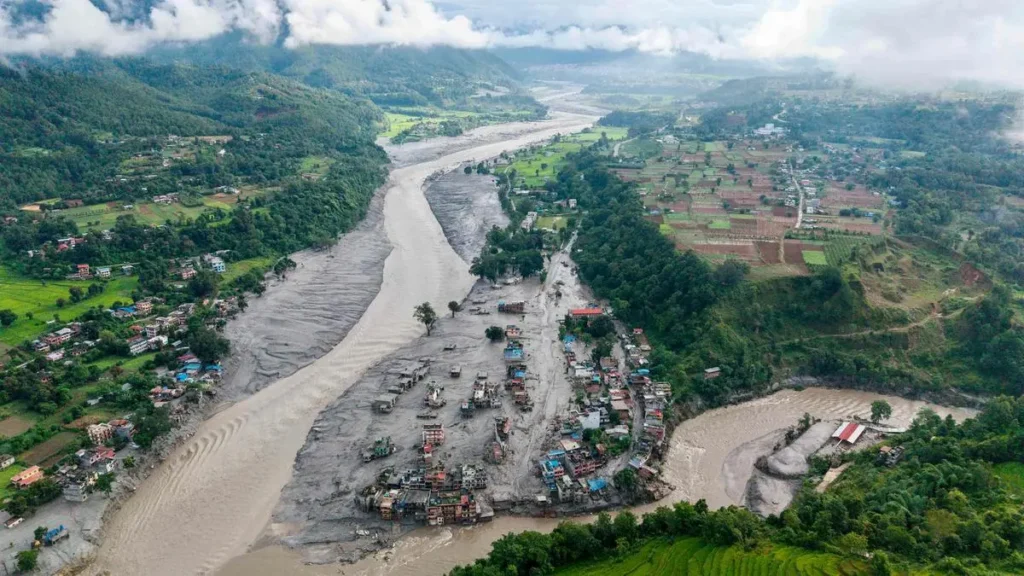
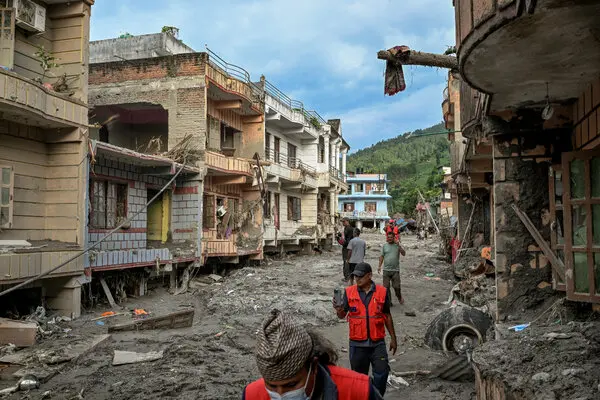
Table of Contents
Nepal Flood 2026: The Devastating Flood That Reminded Us of Nature’s Power
Nature has a way of reminding us that no matter how advanced technology becomes, we are still deeply connected to the environment around us.
On 26 August 2026, Nepal witnessed one of its most devastating flood disasters in recent decades. A catastrophic flash flood swept through areas around the Bhote Koshi and Trishuli river systems after an ice-and-rock collapse in the Himalayan region triggered a massive surge of water, mud and debris. The disaster affected communities, tourists, hydropower projects, roads and bridges across several districts.
As rescue operations continue, the tragedy has left thousands of families waiting for news of their loved ones.
But this is not just a story about a flood.
It is a story about nature, climate change, disaster preparedness, human courage and the importance of helping each other.
Main Content
Imagine waking up one morning, looking outside your window and thinking:
“It is just another normal day.”
Then suddenly, within minutes, everything changes.
Water starts rushing through roads. Bridges disappear. Houses are damaged. Electricity and communication systems stop working. People start running for safety.
This is what happened in parts of Nepal on August 26.
The Bhote Koshi and Trishuli river systems were hit by a powerful flash flood carrying huge amounts of water, mud and debris. The disaster caused widespread destruction in areas including Rasuwa, Nuwakot and Dhading. Roads, bridges, homes, schools and hydropower infrastructure were severely damaged.
What caused the Nepal Flood 2026?
One of the major factors behind this disaster was a collapse of ice and rock in the Himalayan region, which contributed to a sudden surge of water into the river system.
This was not simply the kind of flood that gives people hours to prepare.
It was extremely fast.
And that is what makes flash floods so dangerous.
The Himalayan region is also experiencing increasing environmental pressure. Scientists and disaster experts have repeatedly warned that changing temperatures, glacier instability and extreme weather can increase risks in mountain regions.
The Human Cost
The numbers coming from the disaster are heartbreaking.
By August 30, reports indicated that hundreds of people had died in Nepal, while thousands remained missing across Nepal and Tibet. The exact figures continued to change as rescue teams searched through difficult terrain and damaged areas.
The International Federation of Red Cross and Red Crescent Societies estimated that around 93,000 people were severely affected and in urgent need of assistance. UNICEF also reported that more than 17,000 children had been affected by the disaster.
Behind every number is a family.
A father waiting for his son.
A child waiting for a parent.
A friend hoping that a missing person will return.
This is why disaster statistics should never become just numbers on a screen.
Roads, Bridges and Infrastructure Destroyed
The flood did not only affect people.
It attacked the infrastructure that connects communities.
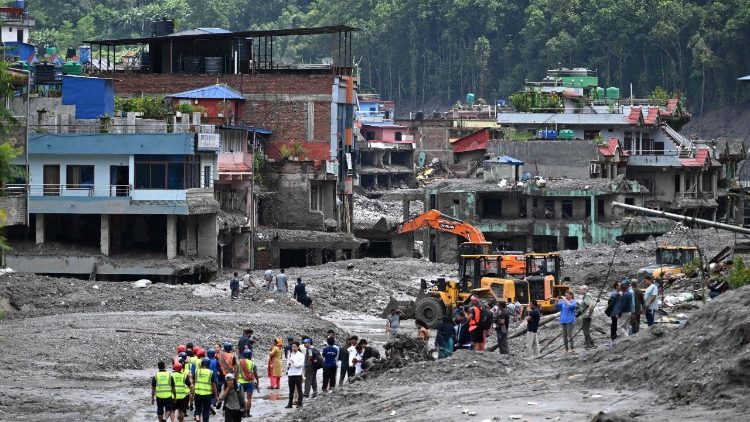
Reports said dozens of bridges and around 40 kilometres of roads were destroyed or heavily damaged. Hydropower facilities were also badly affected, making rescue operations even more difficult.
Think about it.
If roads are destroyed, how do rescue teams reach people?
If bridges disappear, how do food and medicines reach villages?
If communication systems fail, how does a family tell the outside world that they need help?
This is why disaster preparedness is not a luxury.
It is a necessity.
Children and Families Need More Than Rescue
Rescue is only the first step.
After the water goes away, another challenge begins.
People need homes.
Children need schools.
Families need food, clean water and medical support.
UNICEF has already highlighted the urgent humanitarian needs of children affected by the floods.
Rebuilding a house may take months.
Rebuilding a life may take years.
That is why Nepal will need long-term support, not just short-term emergency assistance.
The Role of Technology
Here is where technology can become a real hero.
Early-warning systems, satellite imagery, weather monitoring, emergency communication networks and mobile alerts can help communities receive information before disaster strikes.
Technology cannot stop a glacier collapse.
It cannot tell a mountain, “Please behave today.” 😅
But technology can help people understand risks earlier and respond faster.
Satellite data has already been used to assess the destruction caused by the disaster and understand how floodwaters moved through the affected region.
The lesson is simple:
We cannot control nature, but we can improve how prepared we are for it.
Humanity During a Disaster
Amid all the destruction, there is also another story — the story of people helping people.
Nepalese security forces, emergency workers, medical teams, local communities and international organisations have been involved in rescue and relief operations. Japan has also provided emergency relief supplies including tents, blankets, plastic sheets and water containers.
During disasters, differences become smaller.
Nobody asks:
“Where are you from?”
They simply ask:
“Are you safe?”
And perhaps that is one of the most important lessons from this tragedy.
Conclusion
The Nepal Flood 2026 is more than a natural disaster.
It is a warning.
A warning that climate change and environmental instability can create dangerous situations, especially in fragile mountain regions.
It is also a reminder that development must go together with environmental protection and disaster preparedness.
We cannot prevent every natural disaster.
But we can build better warning systems.
We can educate communities.
We can protect forests and ecosystems.
We can improve infrastructure.
And most importantly, we can be prepared.
The flood may have destroyed roads, homes and bridges, but it should not destroy hope.
Because when people come together, even after the biggest disaster, rebuilding is possible.
Call to Action
The Nepal flood reminds us that climate change and environmental protection are not topics for tomorrow.
They are today’s responsibility.
So start with small actions.
Save water. Reduce waste. Protect nature. Learn about disaster preparedness. Support genuine relief organisations when disasters happen.
And most importantly, do not ignore the warning signs of nature.
Because sometimes the biggest lesson comes when nature says:
“You should have listened earlier.”